
Where job openings are posted
Employer careers pages, state job banks, USAJOBS, union halls and the shop window: where openings show up and how to watch each one.
Read more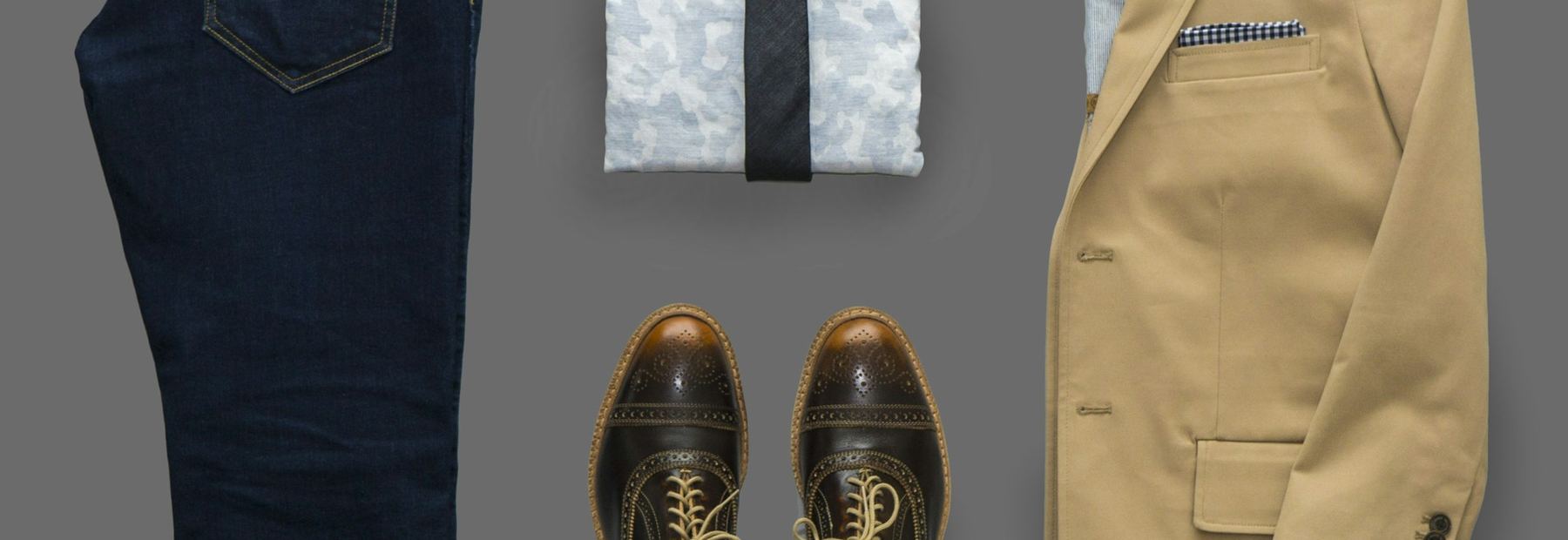
This article helps you get the practical side of an in-person interview right, so your attention can go to the conversation. It covers what to bring, how to dress for the kind of workplace you are visiting, and how to time your arrival.
Bring several printed copies of your resume, since you may meet more than one person. Add a list of your references with their contact details, a pen and a small notebook, and the posting with your notes on it. A short written list of your own questions for the interviewer helps if your mind goes blank at the end.
For a working interview in a trade, ask whether to bring your own tools, safety boots or a copy of any license or certificate. Some employers also ask for identification at the interview, especially when a job starts soon afterward, so bring what the employer asks for.
Keep your Social Security card and bank details at home unless the employer has made you an offer and asks for them as part of hiring paperwork. The Federal Trade Commission warns that requests for those details before a real offer are a common sign of a job scam.
Treat everyone you meet as part of the interview, from the person at reception to the coworker who walks you back.
The usual guidance is to dress one step more formally than the people who already do the job. For an office, that might mean slacks or a skirt with a collared shirt or blouse. For a warehouse, restaurant or retail floor, neat, clean everyday clothes and closed-toe shoes are usually right.
When you are unsure, ask the person who scheduled the interview what people usually wear. It is an ordinary question, and the answer saves guesswork. Whatever you choose should be clean, comfortable and easy to sit, stand and walk in.
If buying interview clothes is hard right now, ask at your local American Job Center. Some centers and local nonprofit groups run clothing closets where job seekers can pick out an outfit at no cost.
Find the exact address and entrance the day before, and check parking, transit times and which door visitors use. Plan to arrive about 10 to 15 minutes early, and wait nearby if you get there sooner. Arriving much earlier can put pressure on a busy front desk.
Treat everyone you meet as part of the interview, from the person at reception to the coworker who walks you back. If you are running late, call the contact as soon as you know, give a realistic arrival time and ask whether they would prefer to reschedule.
Who to ask
The person who scheduled your interview
Bring what the employer asks for, dress a step above the job, and plan to arrive a few minutes early.
More from other parts of the job search
Employer careers pages, state job banks, USAJOBS, union halls and the shop window: where openings show up and how to watch each one.
Read moreHow remote and hybrid postings are labeled, the limits written into them, and how to check that a work-from-home job is real.
Read moreForm I-9, the W-4, direct deposit and benefits enrollment, with the deadline that comes with each in your first weeks.
Read moreNew and updated articles on the part of the job search you choose, by email, and by text if you tick the box.

